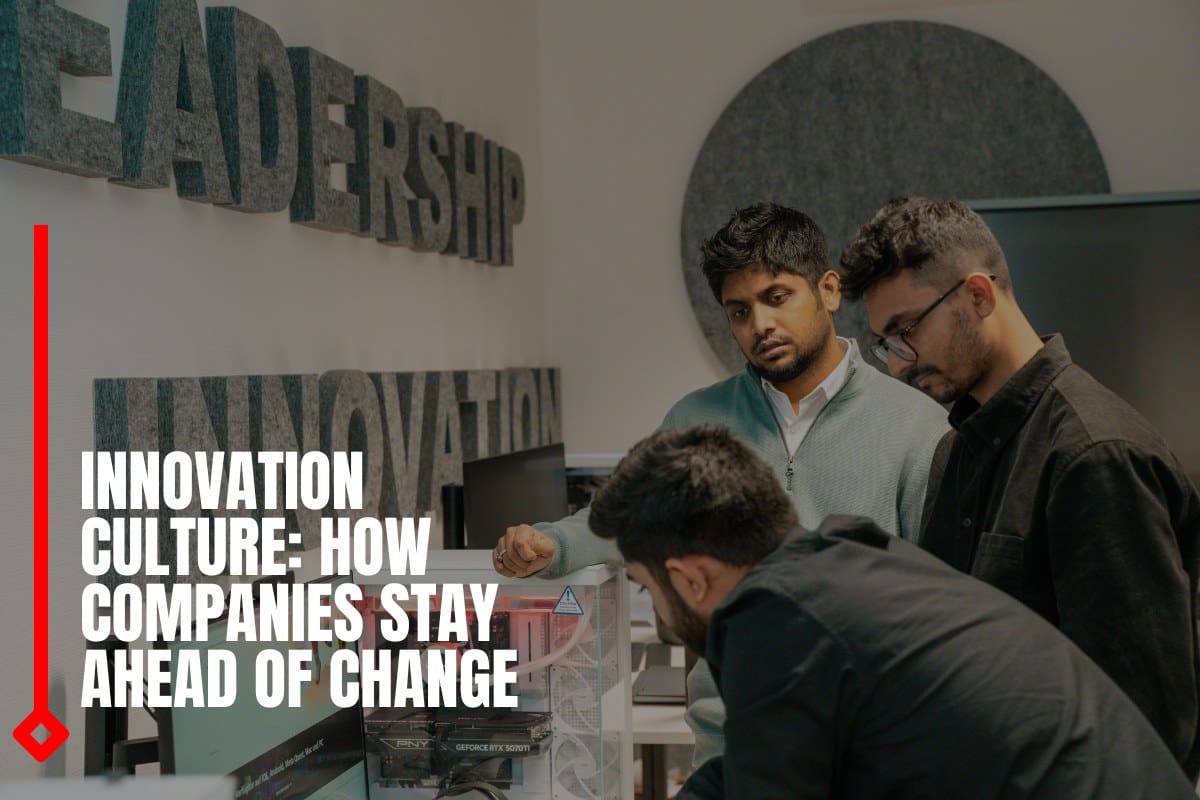
Innovation culture empowers organizations to thrive amid rapid technological shifts by fostering creativity, experimentation, and adaptability. Leading companies like Google and Tesla cultivate environments where failure is a learning tool, driving sustained growth in competitive markets. This proactive mindset turns disruption into opportunity, ensuring relevance in AI-driven, hyperconnected eras.
Leadership Commitment and Vision
Executives set the tone by prioritizing innovation in strategy, allocating 10-15% of budgets to R&D and moonshot projects. Leaders like Satya Nadella at Microsoft champion “growth mindset,” encouraging risk-taking through transparent communication of bold visions.
They model behaviors by sponsoring hackathons and innovation labs, signaling that creativity trumps short-term metrics, which boosts employee engagement by 20-30%.
Fostering Psychological Safety
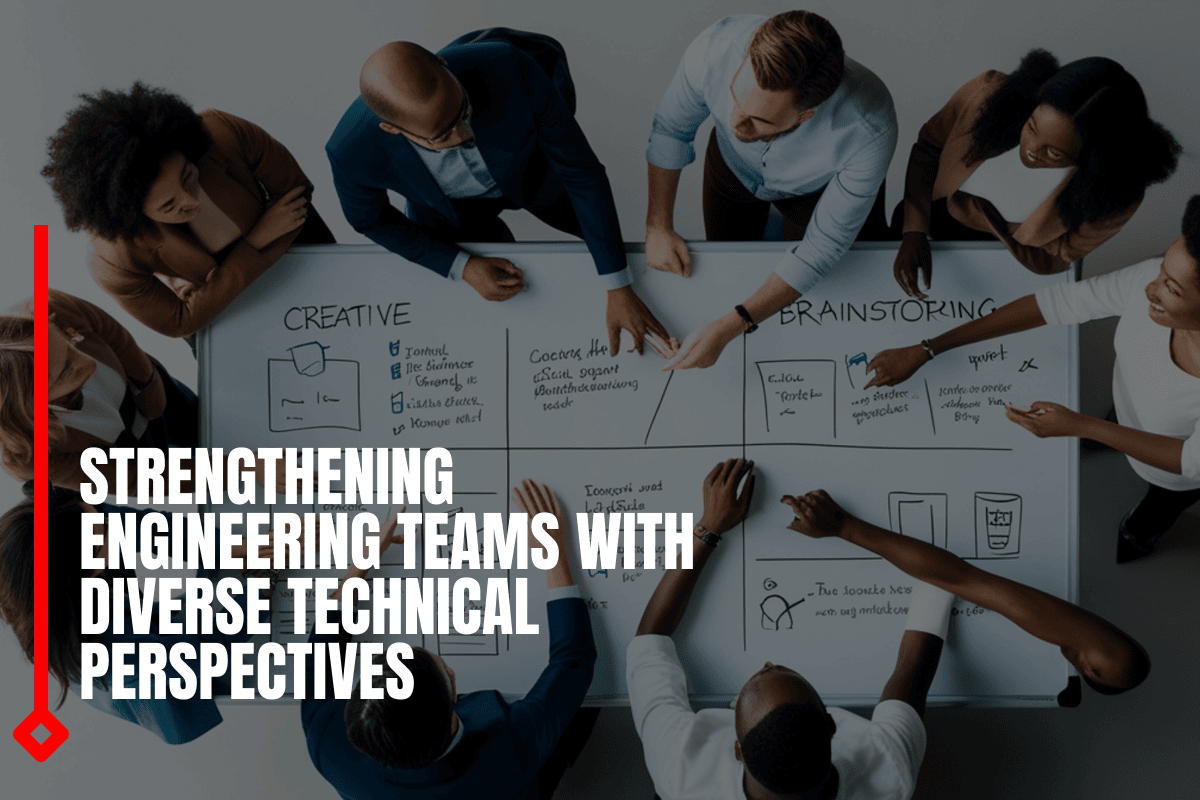
Safe spaces for idea-sharing prevent fear of failure, with Google’s Project Aristotle identifying psychological safety as the top team success factor. Companies implement “no-blame” retrospectives and failure awards, normalizing iteration as seen in Amazon’s “working backwards” from customer needs.
Diverse teams enhance perspectives, with inclusive hiring yielding 19% higher innovation revenues per Boston Consulting Group studies.
Structured Experimentation Processes
Agile frameworks like OKRs and sprints enable rapid prototyping, with 20% time policies at 3M birthing Post-its through unstructured exploration. Innovation pipelines triage ideas via stage-gates, from ideation workshops to MVPs tested with real users.
Cross-functional “tiger teams” tackle challenges, accelerating solutions like SpaceX’s reusable rockets through iterative failures.
Talent Attraction and Continuous Learning
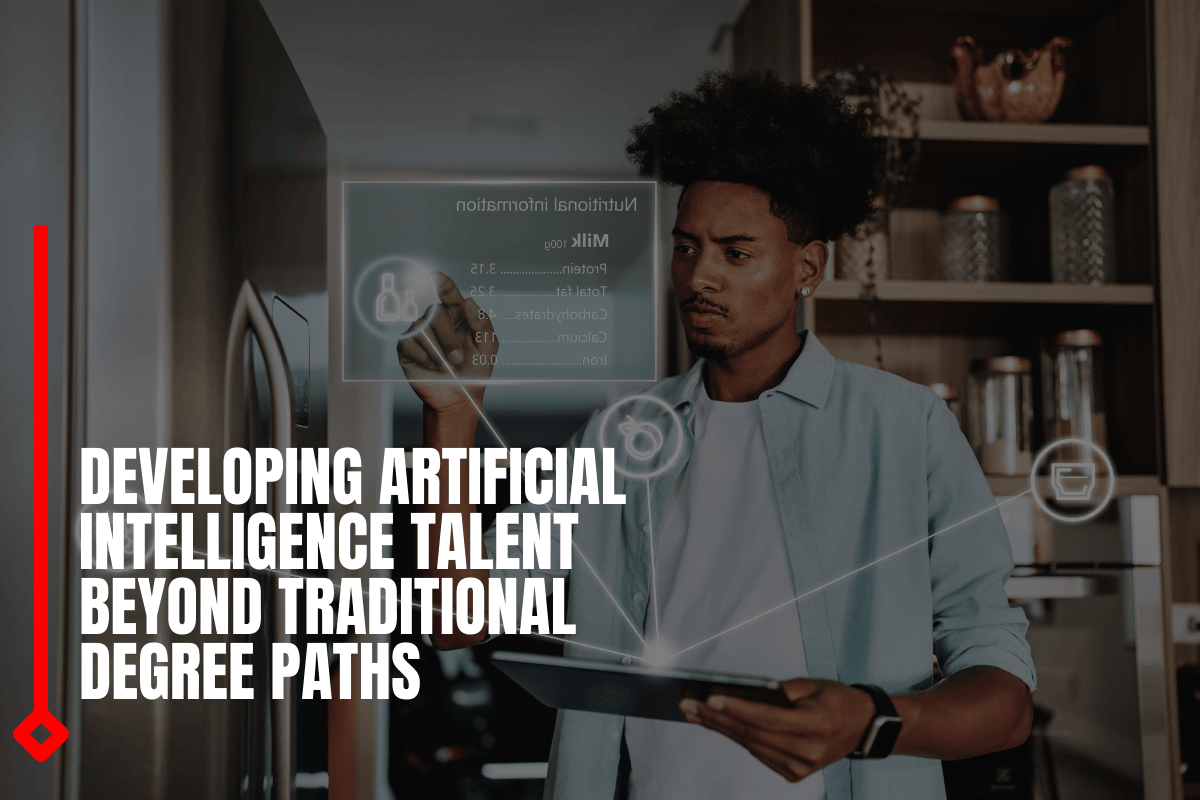
Top innovators invest in upskilling via internal academies and partnerships with Coursera or Udacity, keeping skills current in AI and cloud. Equity incentives and mission-driven cultures attract top talent, with remote/hybrid models expanding global pools.
Mentorship programs pair juniors with seniors, fostering knowledge transfer and succession planning.
Ecosystem Collaboration and Customer Focus
Open innovation partners with startups, universities, and suppliers, as Procter & Gamble sources 50% of ideas externally via Connect + Develop. Customer co-creation through beta programs and feedback loops ensures market fit, exemplified by Slack’s pivot from gaming to enterprise chat.
Metrics track innovation health—idea volume, conversion rates, time-to-market—adjusting cultures dynamically.
Measuring and Sustaining Momentum
Balanced scorecards blend financial KPIs with innovation indices, rewarding teams for learnings over hits. Annual culture audits and employee net promoter scores guide refinements, preventing stagnation.
FAQs
Q1: What role does leadership play in innovation culture?
Leaders allocate resources, model risk-taking, and communicate visions to inspire organization-wide commitment.
Q2: Why is psychological safety essential?
It encourages bold ideas without fear, proven as the key to high-performing innovative teams.
Q3: How do companies structure experimentation?
Through agile sprints, 20% time policies, and stage-gate processes for rapid prototyping and validation.
Q4: What attracts top talent to innovative firms?
Upskilling opportunities, equity, mission alignment, and flexible work environments.
Q5: How is innovation success measured?
Via idea pipelines, conversion rates, time-to-market, and balanced KPIs blending financials with learnings.