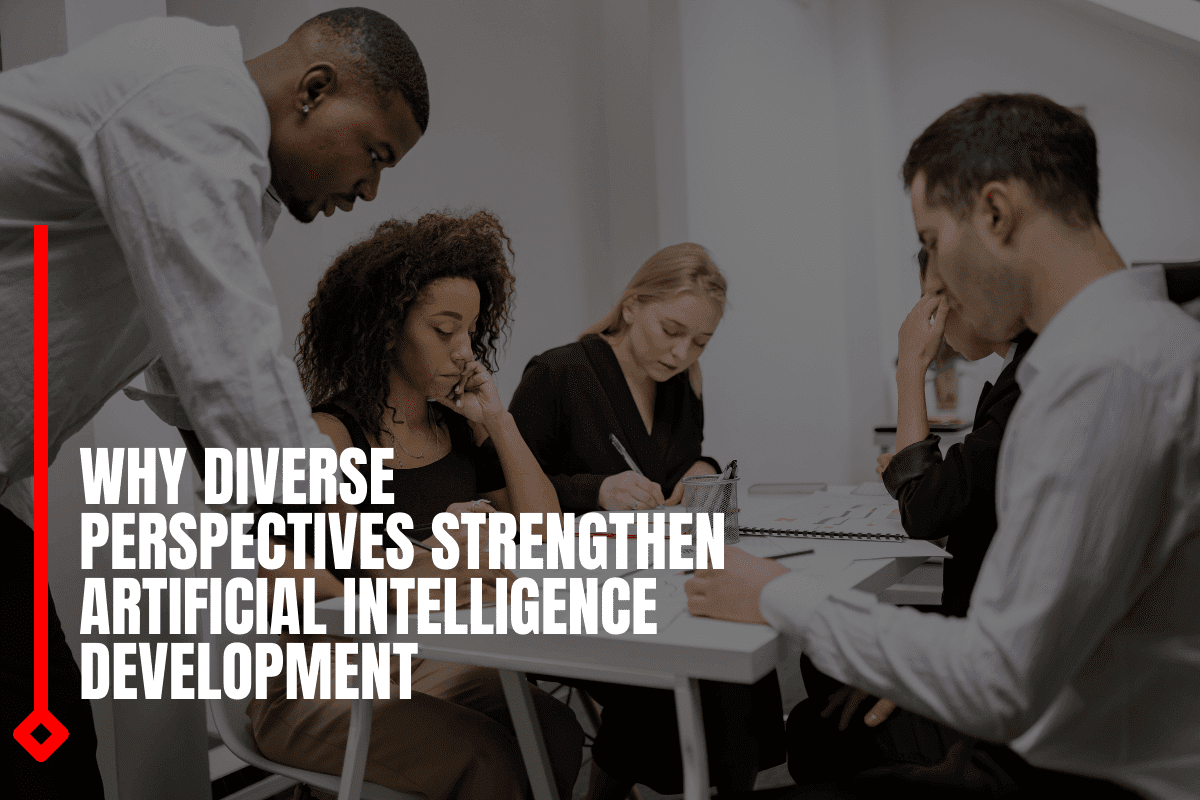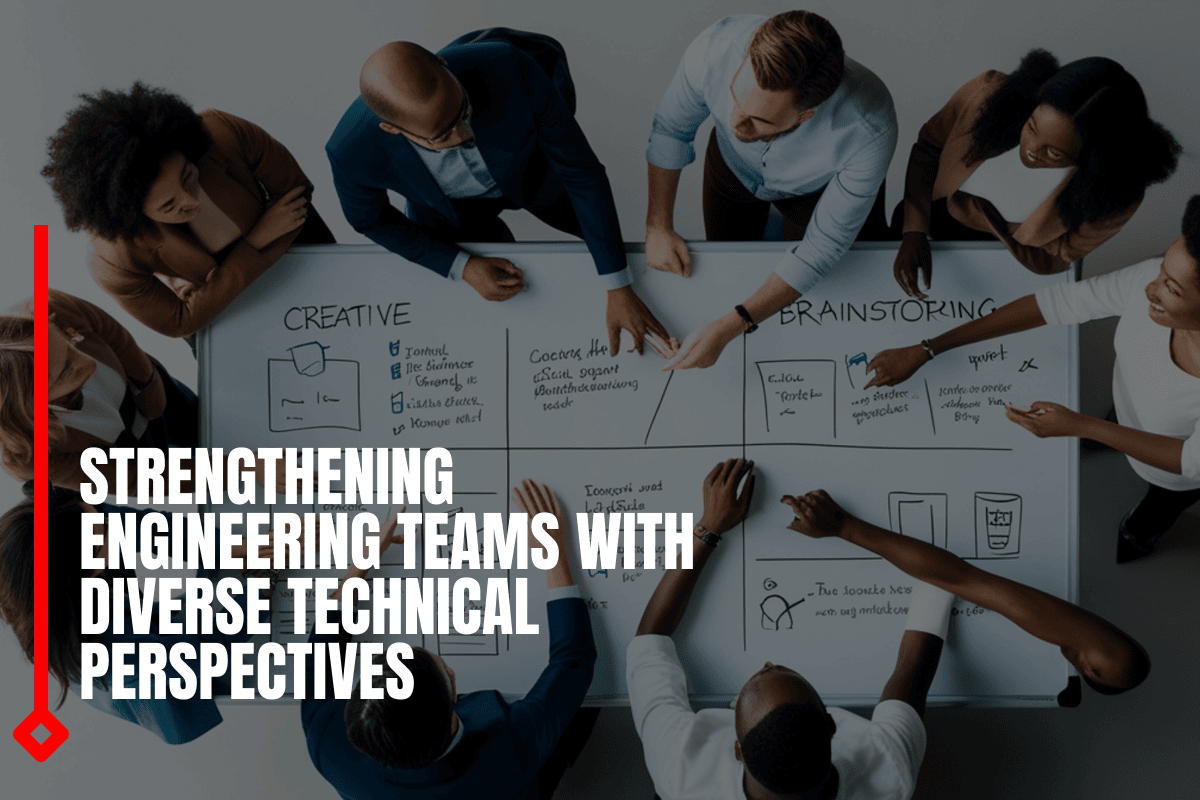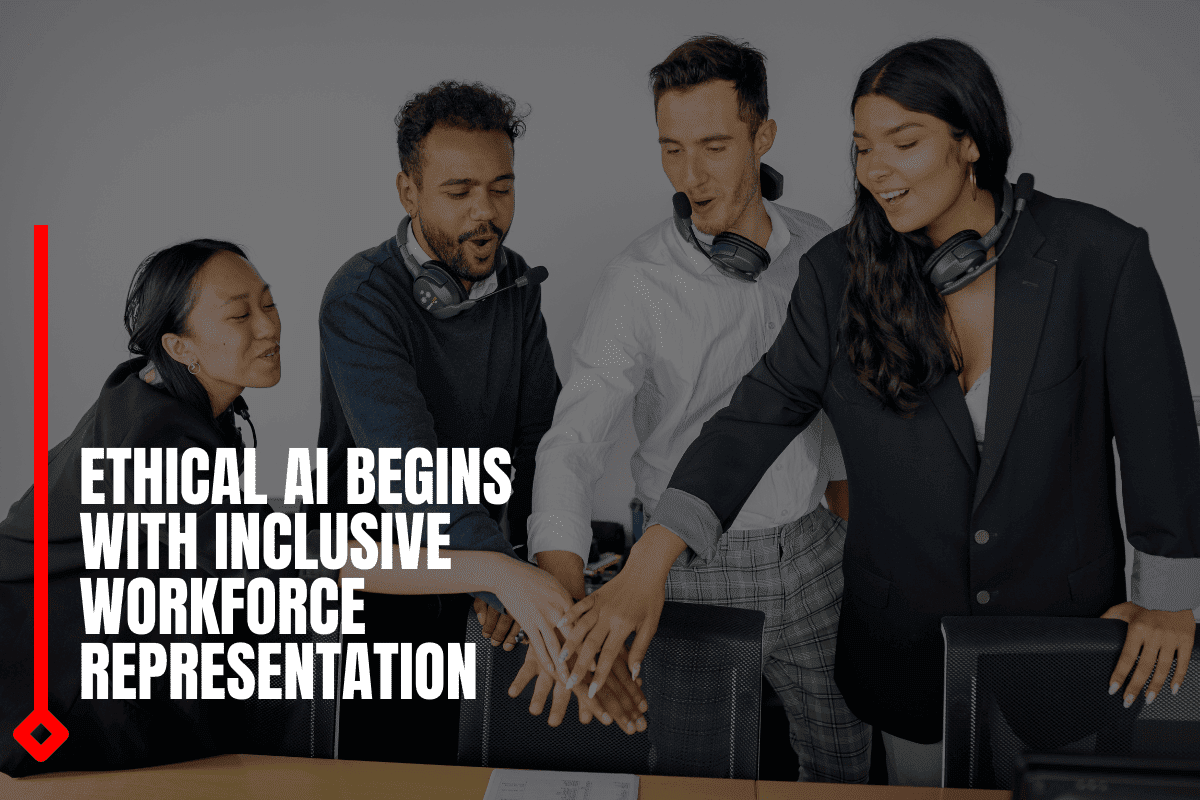
Inclusive workforce representation in AI development is essential for creating fair, unbiased systems that serve all Americans equitably. Diverse teams reduce algorithmic bias by 30-40%, as varied perspectives catch flaws in data and decision-making that homogeneous groups miss.
The Diversity Deficit in U.S. AI
U.S. tech and AI workforces remain skewed: women hold just 25-30% of roles, dropping to under 20% in leadership, while Black, Hispanic, and Native American representation lingers at 4-7%. This mirrors broader STEM gaps, where white and Asian men dominate 70%+ of positions despite diverse U.S. demographics.
AI talent pools—estimated at 14 million workers—overwhelmingly feature male, non-diverse backgrounds, amplifying risks in training data that reflects creators’ biases. Recent DEI rollbacks in some firms exacerbate this, with Black women’s tech share falling from 4.6% to 4.1% since 2018.
Bias Risks from Non-Diverse Teams
Homogeneous AI teams perpetuate stereotypes: facial recognition fails 35% more on darker skin, and hiring algorithms favor male resumes 20% higher. Underrepresentation means overlooked edge cases—like rural dialects or cultural contexts—affecting 40% of U.S. users from minority groups.
Gender bias in AI shows starkly: only 26% female computing roles lead to skewed health diagnostics missing women’s symptoms. Racially uniform datasets undervalue non-white needs in lending or policing tools.
Diverse firms see 35% higher profitability and better code quality, proving inclusion drives innovation.
Benefits of Diverse AI Development
Teams with gender balance produce higher-quality AI, as women-led groups emphasize ethical testing 25% more. Racial diversity uncovers dataset flaws early, cutting post-launch fixes by 50%.
Inclusive workforces mirror user bases: 40% U.S. population non-white demands representation to avoid $100B+ annual bias costs in healthcare alone. Varied viewpoints foster creativity, yielding novel solutions like equitable credit scoring.
Remote/hybrid models modestly aid access, but mid-level promotions lag for underrepresented groups.
Strategies for Inclusive Hiring
Blind resume reviews remove names/genders, boosting diverse callbacks 30%. Structured interviews with standardized rubrics cut bias; diverse panels ensure fair scoring.
Apprenticeships and bootcamps target underrepresented talent, placing 80% in roles without degrees. Employee resource groups (ERGs) and mentorship pair juniors with execs, lifting retention 2.5x.
Set measurable goals: Google’s 30% leadership gains for Black/Latino staff show progress via targeted slates.
Training for Bias Awareness
Mandatory anti-bias workshops teach spotting dataset skews; 70% of diverse teams report better awareness post-training. Inclusive pedagogy in universities/bootcamps embeds fairness from entry.
Audit tools like Fairlearn evaluate models pre-deployment. Cross-functional ethics boards—20%+ diverse—review high-stakes AI like hiring or lending.
Policy and Cultural Shifts
Federal incentives via NSF fund diverse AI research; tax credits support ERGs. Transparent metrics—publish workforce demos annually—hold firms accountable amid DEI scrutiny.
Culture eats policy: leadership commitment yields 50% better talent attraction. Inclusive remote policies widen geographic pools without sacrificing belonging.
Measuring Inclusion Success
Track representation at all levels, promotion rates, and pay equity. NPS from diverse employees gauges belonging; aim above 70. Bias audits pre/post-diversity hires quantify fairness gains.
Diverse firms outpace peers: top-quartile ethnic diversity links to 35% above-median profits. Retention metrics show 50% higher capacity for top talent.
Overcoming Resistance
Address backlash by tying inclusion to ROI—diverse AI reduces lawsuits 40%. Pilot programs prove value: higher profits, innovation. Evolve beyond quotas to systemic belonging.
Ethical AI demands workforce mirrors society; exclusion costs trust, revenue, and progress. Inclusive teams redefine fairness from code to impact.
Frequently Asked Questions
Q1: Why does AI workforce diversity matter?
A: Diverse teams cut bias 30-40%, improving fairness for all users.
Q2: What’s the gender gap in U.S. tech?
A: Women hold 25% roles, under 20% leadership; networks lag.
Q3: How does diversity boost AI quality?
A: Varied perspectives catch flaws early, yielding 25% better code.
Q4: What hiring fixes underrepresentation?
A: Blind reviews, bootcamps, ERGs lift callbacks and retention 30-80%.
Q5: Link between diversity and profits?
A: Top diverse firms 35% more profitable, 2.5x lower turnover.