
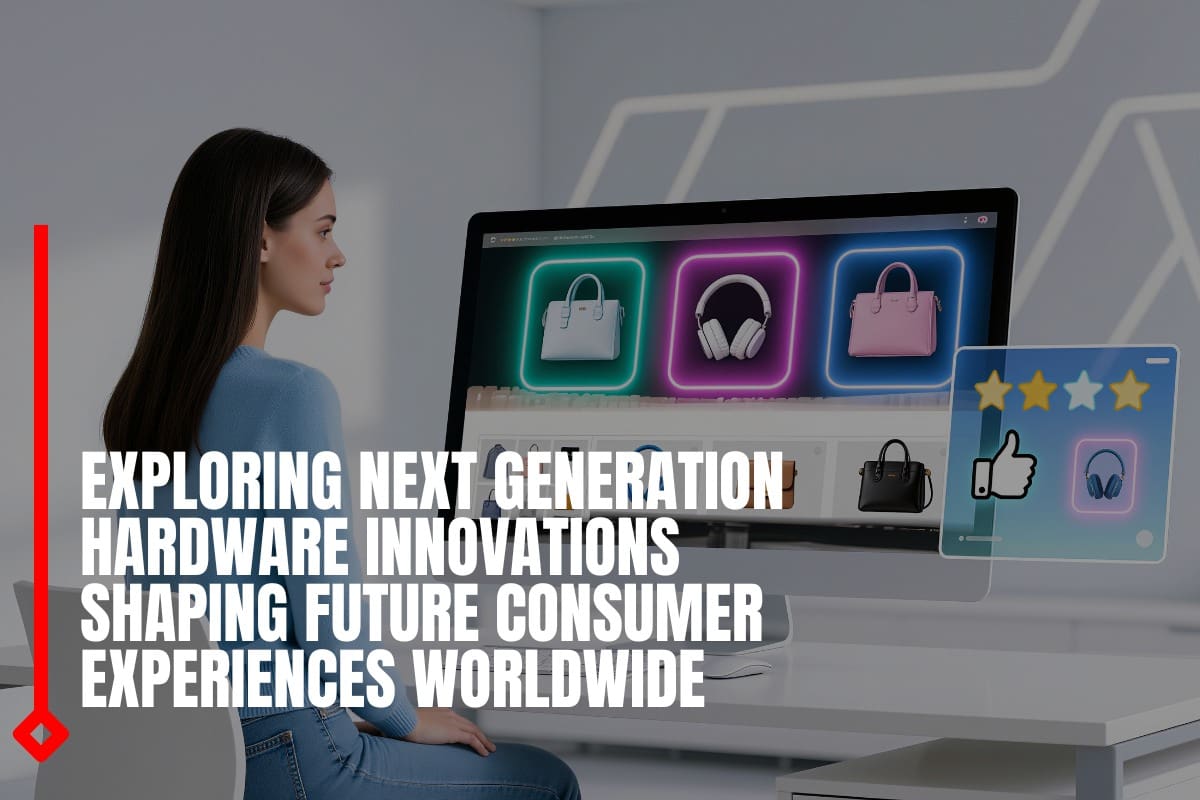
Next-generation hardware innovations like on-device AI chips, neuromorphic processors, and AR smart glasses are redefining consumer experiences by delivering intuitive, sustainable, and immersive interactions across smartphones, wearables, and smart homes.
In 2025-2026, these advancements—driven by edge computing and modular designs—enable real-time personalization without cloud dependency, boosting efficiency 30-50% while prioritizing privacy and longevity. Global adoption surges as brands like Apple, Samsung, and Meta integrate AI-native hardware, transforming daily life from gaming to health monitoring.
On-Device AI and Edge Computing Processors
Neural processing units (NPUs) embedded in chips like Apple’s A18 Pro and Qualcomm Snapdragon 8 Gen 4 handle AI tasks locally—real-time translation, photo editing, predictive personalization—reducing latency to milliseconds and power use by 40%. Consumers gain seamless experiences: smartwatches analyze biometrics instantly for health insights, laptops transcribe notes without internet.
Samsung’s neuromorphic AI chips mimic brain efficiency for wearables, enabling continuous monitoring with minimal battery drain, advancing edge computing for sensors and IoT. This shifts from cloud-reliant AI to device-native intelligence, enhancing privacy and offline utility worldwide.
Immersive AR/VR and Flexible Displays
AR smart glasses evolve into everyday eyewear with event cameras and neuromorphic sensors for low-latency overlays—navigation, translation, immersive info—blending digital with physical seamlessly. Meta and Apple’s lightweight headsets prioritize comfort, eye-tracking, and passthrough displays for mixed reality work/gaming.
Foldable displays mature: flexible OLED TVs and phones offer immersive, portable screens; 2026 sees 70-inch rollables and tablets doubling as laptops with Mini-LED/HDR+ for creators. These enable spatial productivity, virtual fitness, and global collaboration without bulk.
Advanced Connectivity: Wi-Fi 7, 5G Advanced, Satellite
Wi-Fi 7 delivers multi-gigabit speeds for lag-free streaming/gaming; 5G Advanced expands coverage for dense IoT ecosystems. Satellite links in smartphones (Apple Emergency SOS, Qualcomm) ensure remote connectivity, vital for travel/emergencies.
This backbone supports always-on experiences: smart homes with Matter 1.3 interoperability automate intuitively, while wearables sync health data globally.
Sustainable, Modular, and Repairable Designs
EU regulations drive USB-C, replaceable batteries, and recyclables; Framework’s modular laptops allow GPU/RAM upgrades, extending life 2-3x. Solid-state batteries hit 20-hour laptop runtime; recycled materials cut emissions 30%.
Consumers prioritize longevity: refurbished market grows 10-15% yearly, with AI-optimized efficiency reducing e-waste.
Health-Focused Wearables and Robotics
Noninvasive glucose/blood pressure tracking in smartwatches provides clinical insights; neuromorphic chips enable always-on vitals without drain. Multipurpose home robots handle chores with dexterity, integrating via Matter.
CES 2025 showcased AI-powered fitness gear with haptic feedback and personalized coaching.
Gaming and Entertainment Hardware
Next-gen consoles/handhelds feature AI rendering, adaptive rates; cloud streaming unifies screens. Micro-LED TVs hit luxury affordability with true blacks/energy savings.
Global Implications and Challenges
Asia leads foldables/AI; Europe enforces sustainability; US focuses ecosystems. Privacy, e-waste challenges met by on-device processing.
FAQs
Q. What are neuromorphic chips’ consumer benefits?
Brain-like efficiency for wearables: low-power health monitoring, real-time AI without cloud.
Q. How foldables change daily experiences?
Portable immersion: phones-to-tablets, rollable TVs for space-saving entertainment.
Q. Why on-device AI over cloud?
Milliseconds latency, privacy, offline access; 40% less power via NPUs.
Q. Sustainability in 2026 hardware?
Modular/repairable designs, recycled materials; EU rules extend life 2-3x.
Q. AR glasses’ real-world use?
Navigation/translation overlays; lightweight for all-day immersion.







Very useful and interesting articles..
Thanks Emma